

SMSF Limited Recourse Borrowing Arrangements: What Changed in 2026?


The New EV FBT Rules: What the 2026 Electric Car Discount Changes Mean for Your Business and Leases
|
|
June 21, 2026 |
For the past few years, the Electric Car Discount has quietly become one of Australia’s most valuable tax concessions. Business owners have been able to provide electric vehicles to employees without paying Fringe Benefits Tax, and thousands of salary earners have used novated leases to drive away in a new EV while significantly reducing the after-tax cost of ownership.
However, this generous incentive is no longer guaranteed to remain in its current form. Following the release of the government’s Statutory Review of the Electric Car Discount, it is clear that the days of unlimited FBT-free electric vehicles are numbered. The review found that the concession had successfully accelerated EV adoption but at a rapidly increasing cost to government revenue, with annual tax expenditures projected to reach $2.8 billion by 2028-29.
The message from Treasury is becoming increasingly clear: electric vehicles are moving from being an emerging technology requiring government support to a mainstream choice for Australian motorists. As a result, significant changes are on the horizon, including tighter eligibility rules, new price caps, and the eventual phase-out of the full exemption.
If you have been considering an electric vehicle through your business or a novated lease arrangement, the next few years may represent your last opportunity to take advantage of one of Australia’s most attractive employee tax benefits before the rules fundamentally change.

The Current Ground Rules: What Still Qualifies Today?
To access the current Fringe Benefits Tax (FBT) exemption for electric vehicles, there are a few important eligibility requirements that employers and employees need to understand.
First, the vehicle must fall below the fuel-efficient Luxury Car Tax (LCT) threshold at the time it is first held and used. For the 2025-26 financial year, this threshold is $91,387. If the vehicle exceeds this threshold, the FBT exemption will generally not be available.
Secondly, the electric vehicle must have been first held and used on or after 1 July 2022. This requirement creates an often-overlooked opportunity for businesses and employees considering a novated lease arrangement. The exemption is not limited to brand-new vehicles. A second-hand electric vehicle may still qualify, provided its original owner first held and used the vehicle after the 1 July 2022 commencement date.
For many taxpayers, this can be an attractive middle ground. Purchasing an eligible used EV allows you to benefit from the FBT exemption while potentially avoiding the higher upfront cost and initial depreciation associated with buying a brand-new vehicle.
With the government signalling that the current rules will become less generous over time, businesses and employees considering an electric vehicle may wish to review their options sooner rather than later. Securing an eligible arrangement before future changes take effect could result in substantial tax savings over the life of the lease.

The Confirmed Budget Phase-Out: Navigating the New Three-Phase EV Roadmap
The Treasury Review concluded that the Electric Car Discount has largely achieved its original objective. When the concession was introduced, electric vehicles were expensive, charging infrastructure was limited and consumer adoption remained relatively low. Today, the market looks very different. EV prices have fallen, model availability has increased significantly, and electric vehicles have become a mainstream consideration for many Australian motorists.
As a result, the Government has adopted a phased approach to gradually reduce the generosity of the current Fringe Benefits Tax exemption rather than removing it overnight. This provides businesses, employees and salary packaging providers with a clear transition period while preserving incentives for those who act before the relevant cut-off dates.
To help your business plan ahead, here is exactly how the newly announced budget rules will roll out:
- Phase 1 (Now until 31 March 2027) – The Ultimate Window: It is business as usual for the next few months. Any eligible zero-emission vehicle priced below the Luxury Car Tax (LCT) threshold (currently $91,387) still qualifies for the 100% FBT exemption. If you secure an eligible EV under the Luxury Car Tax (LCT) threshold (currently $91,387) during Phase 1, your arrangement retains a 100% FBT exemption for the entire designated term of that lease (e.g., 3 to 5 years).
- Phase 2 (1 April 2027 to 31 March 2029) – The $75,000 Luxury Crackdown: The rules tighten significantly. The full 100% FBT exemption will only apply to vehicles priced at $75,000 or less. If you choose a premium EV priced between $75,001 and the LCT threshold, your full exemption evaporates and is replaced by a modest 25% FBT discount.
- Phase 3 (From 1 April 2029 onward) – The Final Sunset: The 100% FBT exemption is eliminated entirely for all vehicles. Moving forward, a flat 25% FBT discount is the maximum benefit available for any eligible electric car under the LCT threshold.
The real planning opportunity lies in the grandfathering provisions. Under the Budget announcement, taxpayers who enter into a qualifying novated lease or employer-provided vehicle arrangement before the relevant cut-off dates are expected to retain the more favourable tax treatment for the life of that arrangement. This means two people could purchase the same vehicle only months apart and end up with very different tax outcomes. If you are considering a higher-value EV above $75,000, the key date to be aware of is 31 March 2027. For many employees and business owners, acting before that date could mean the difference between securing and missing out on thousands of dollars in tax savings over the term of the lease.
The ATO’s Home Charging Rules: Can You Pay for EV Charging Costs Using Pre-Tax Salary?
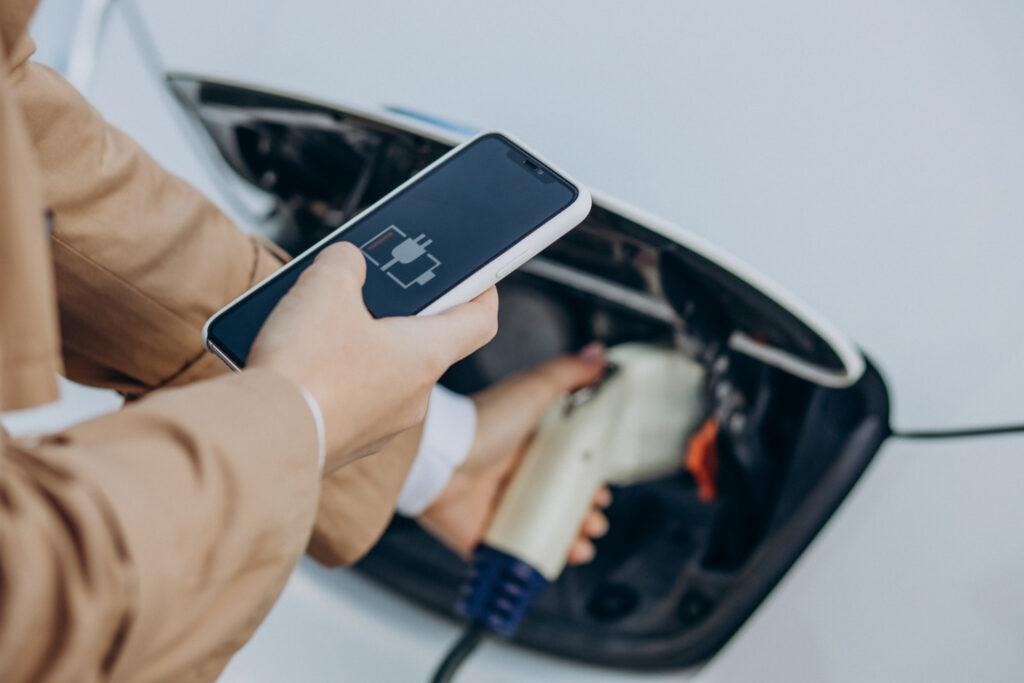
One of the most common questions employees ask when considering an electric vehicle is whether their household electricity costs can be included in a pre-tax salary packaging arrangement. The answer is yes, provided you navigate the rules correctly. Under the ATO’s Practical Compliance Guideline (PCG 2024/2), the ATO allows a standardised home charging rate of 4.20 cents per kilometre for eligible zero-emission vehicles.
Instead of requiring you to install a separate electricity meter to isolate your vehicle’s exact power consumption from the rest of your household, the ATO allows a much simpler approach. You simply maintain an accurate logbook or record your odometer readings to calculate the distance travelled. Your salary packaging provider can then incorporate the 4.20 cents per kilometre allowance into your novated lease arrangement, allowing a portion of your home charging costs to be funded from your pre-tax salary.
The EV Salary Sacrifice Trap: How HECS Debt and Child Support Can Erase Your Savings
While completely eliminating Fringe Benefits Tax (FBT) is an incredible win for your weekly take-home pay, many employees are unaware that the benefit still needs to be reported at tax time as a Reportable Fringe Benefits Amount (RFBA). Even though your electric vehicle may be 100% FBT-exempt, the ATO still requires your employer to calculate the notional taxable value of the vehicle and report it on your annual income statement as an RFBA.
While this reported amount is not hit with regular income tax, it is added directly to your taxable salary to determine your Adjusted Taxable Income (ATI). Because the government uses your ATI to means-test federal obligations, this artificial income spike can trigger severe financial consequences:
- HECS-HELP Debt Repayments: Your student loan repayments are calculated on your ATI, not your base take-home pay. Pushing your income profile up by the Reportable Fringe Benefits Amount (RFBA) can instantly bump you into a significantly higher repayment bracket, resulting in a surprise multi-thousand-dollar compulsory repayment bill when you lodge your tax return.
- Child Support Assessments: Services Australia calculates child support transfers based on your total financial capacity, heavily incorporating your RFBA. An artificially inflated ATI can instantly increase the monthly child support payments you owe—or drastically reduce the amount of support you are eligible to receive.
- Child Care Subsidy (CCS) Drops: Because your combined family ATI skyrockets, your childcare subsidy percentages can drop mid-year, drastically increasing your out-of-pocket childcare fees.
This does not mean you should avoid an EV novated lease. In many cases, the tax savings still significantly outweigh the impact of the RFBA. However, it does mean that you should look at the bigger picture before signing the lease. A strategy that works extremely well for one employee may produce a very different outcome for someone with a HECS debt, child support obligations or income-tested government benefits.
Final Thoughts: Navigating Shifting Rules for Long-Term Gains
The Electric Car Discount has been one of the most generous tax concessions available to Australian employees in recent years. While the government has confirmed that the current rules will gradually be wound back, there is still a meaningful window of opportunity for employees and businesses willing to plan ahead.
However, as we have seen, the decision is not simply about choosing an electric vehicle. The timing of the purchase, the value of the vehicle, the structure of the novated lease, and the potential impact on HECS-HELP debts, child support assessments and government benefits can all significantly influence the final outcome.
If you are considering an EV purchase or novated lease arrangement and would like tailored advice, please contact our office. We can help you evaluate the tax implications, model different scenarios and determine whether the strategy is appropriate for your circumstances.

Book a Tax Strategic Consultation with Investax to understand how the right tax structure, planning, and long-term strategy can help you minimise tax, protect your assets, and make smarter financial decisions before costly mistakes are made. Whether you are investing in property, growing a business, or planning your next financial move, getting advice upfront can make a significant difference.
Book Your Strategic Consultation
Frequently Asked Questions
Q1: If I sign an EV novated lease now, will I lose my 100% FBT exemption when the new phase-out rules commence?
No. Under the Budget announcement, eligible arrangements that commence before the relevant cut-off dates are expected to retain the more favourable tax treatment for the duration of that arrangement. In other words, the lower price caps and reduced concessions introduced in later phases are not expected to apply retrospectively to an existing qualifying arrangement.
Q2: What happens to my FBT exemption if I extend my lease or change employers after 31 March 2027?
Potentially. If you significantly alter the underlying arrangement, such as refinancing the residual value, extending the lease term, or entering into a new arrangement with a different employer, the arrangement may be treated as a new arrangement for tax purposes. If this occurs, the vehicle may need to satisfy the rules in force at that time, including any revised price thresholds or concession limits.
Q3: Does an FBT-exempt electric vehicle affect my HECS-HELP repayments?
It can. Even though no Fringe Benefits Tax is payable, your employer is still required to report a Reportable Fringe Benefits Amount (RFBA) on your income statement. While this amount is not taxed as ordinary income, it is included when calculating your Adjusted Taxable Income (ATI). Because HECS-HELP repayment obligations are based on ATI rather than taxable income alone, the additional RFBA may increase your compulsory repayment obligation.
Q4: Will salary sacrificing an electric vehicle affect my child support payments or government benefits?
Potentially. Your Adjusted Taxable Income (ATI) is used when assessing a range of government obligations and entitlements, including child support assessments and certain income-tested benefits. Because your ATI includes any Reportable Fringe Benefits Amount (RFBA), an EV novated lease may affect the amount of child support you pay or receive, as well as entitlements such as the Child Care Subsidy (CCS).
Q5: Can I use pre-tax salary to pay for the electricity used to charge my leased EV at home?
Yes. Under the ATO’s Practical Compliance Guideline (PCG 2024/2), eligible taxpayers can use a flat home charging rate of 4.20 cents per kilometre when calculating EV charging costs. Rather than installing a separate electricity meter to track actual consumption, you can generally rely on appropriate records such as odometer readings or a logbook. Your salary packaging provider may then incorporate these charging costs into your novated lease arrangement.
Q6: Do the EV FBT exemptions apply to second-hand or used electric vehicles?
Yes. You do not have to purchase a brand-new vehicle to access the exemption. A second-hand electric vehicle may still qualify, provided the vehicle was first held and used on or after 1 July 2022 and satisfies the relevant eligibility requirements, including the applicable Luxury Car Tax (LCT) threshold.
General Advice Warning
The material on this page and on this website has been prepared for general information purposes only and not as specific advice to any particular person. Any advice contained on this page and on this website is General Advice and does not take into account any person’s particular investment objectives, financial situation and particular needs.
Before making an investment decision based on this advice you should consider, with or without the assistance of a securities adviser, whether it is appropriate to your particular investment needs, objectives and financial circumstances. In addition, the examples provided on this page and on this website are for illustrative purposes only.
Although every effort has been made to verify the accuracy of the information contained on this page and on our website, Investax Group, its officers, representatives, employees and agents disclaim all liability [except for any liability which by law cannot be excluded), for any error, inaccuracy in, or omission from the information contained in this website or any loss or damage suffered by any person directly or indirectly through relying on this information.